Skip to main content
Program
Stella Tähtinen, soprano
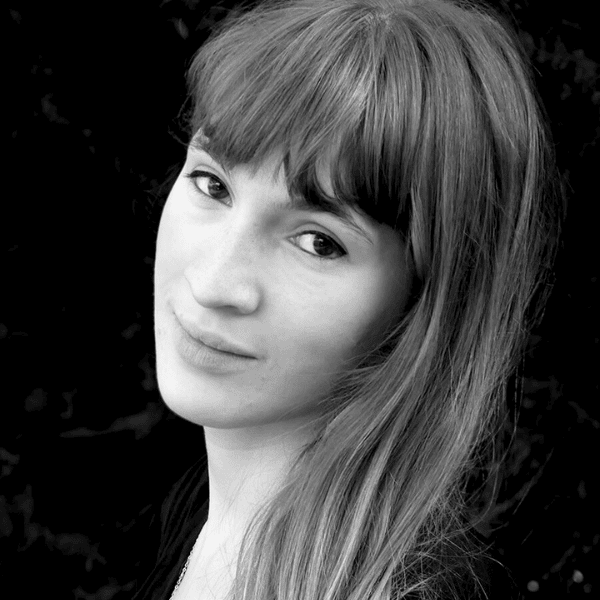
Elsa Angervo, mezzo-soprano
Tuomas Miettola, tenor
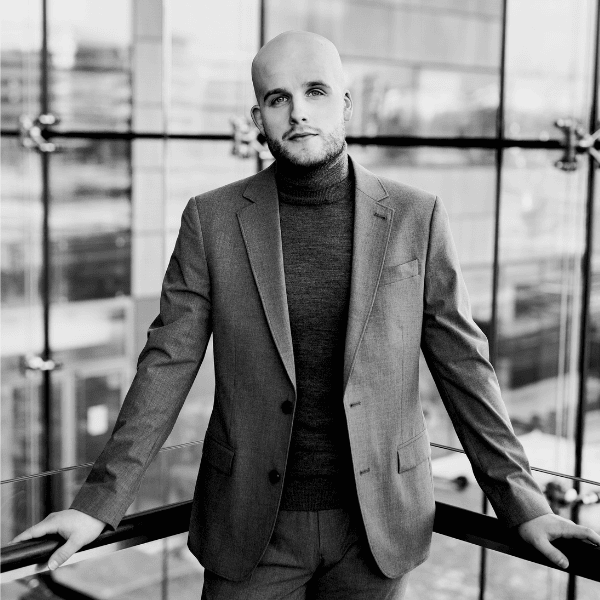
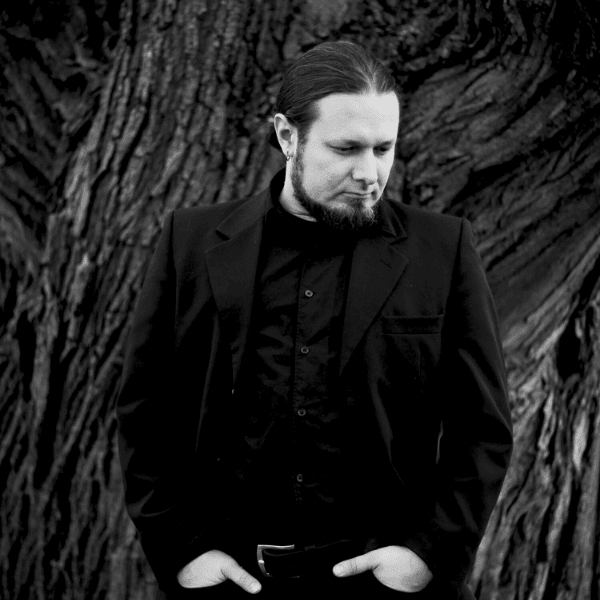
Luke Terence Scott, baritone
Marjaana Merikanto, piano
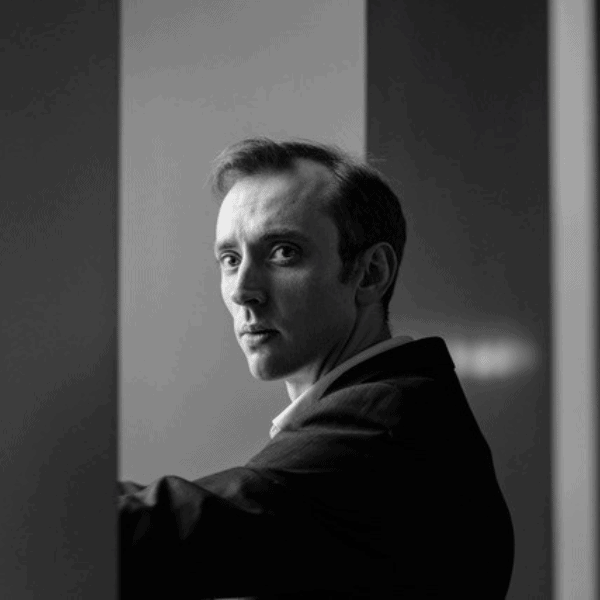
Juho Keränen, piano
OPERA
WOLFGANG AMADEUS MOZART (1756–1791):
Overture (Die Zauberflöte – The Magic Flute)
Merikanto – Keränen
W. A. MOZART:
“Dies Bildnis ist bezaubernd schön” (Die Zauberflöte – The Magic Flute) – Tamino
Miettola – Keränen
W. A. MOZART:
“Deh vieni, non tardar” (Le nozze di Figaro – The Marriage of Figaro) – Susanna
Tähtinen – Merikanto
W. A. MOZART:
“Non ti fidar, o misera” (Don Giovanni) – Donna Elvira, Zerlina, Don Ottavio, Don Giovanni
Tähtinen – Angervo – Miettola – Scott – Keränen
–
GEORGES BIZET (1838–1875):
“Au fond du temple saint” (Les Pêcheurs de perles – The Pearl Fishers) – Nadir & Zurga
Miettola – Scott – Merikanto – Keränen
GEORGES BIZET:
Habanera – “L’amour est un oiseau rebelle” (Carmen) – Carmen
Angervo – Keränen
GEORGES BIZET:
Toreador – “Votre toast, je peux vous le rendre” (Carmen) – Escamillo
Scott – Tähtinen – Angervo – Miettola – Merikanto – Keränen
CHARLES GOUNOD (1818–1893):
Je veux vivre (Roméo et Juliette) – Juliette
Tähtinen – Merikanto
–
GIOACHINO ROSSINI (1792–1868):
“Una voce poco fa” (Il barbiere di Siviglia – The Barber of Seville) – Rosina
Angervo – Keränen
GAETANO DONIZETTI (1797–1848):
“Cruda, funesta smania” (Lucia di Lammermoor) – Enrico Ashton
Scott – Keränen
GIUSEPPE VERDI (1813–1901):
Quartet “Bella figlia dell’amore” (Rigoletto) – Gilda, Maddalena, Duca, Rigoletto
Tähtinen – Angervo – Miettola – Scott – Merikanto
GIUSEPPE VERDI:
Brindisi “Libiamo ne’ lieti calici” (La traviata) – Violetta & Alfredo
Tähtinen – Angervo – Miettola – Scott – Merikanto – Keränen
INTERMISSION
CHRISTMAS
JOHANN SEBASTIAN BACH (1685–1750):
Schafe können sicher weiden, BWV 208 (Piano arr.)
Merikanto – Keränen
SAMUEL BARBER (1910–1981) – GIAN CARLO MENOTTI (1911–2007):
Must the Winter Come So Soon? (from the opera Vanessa) – Erika
Angervo – Merikanto
CLAUDE DEBUSSY (1862–1918):
Noël des enfants qui n’ont plus de maison (Christmas for homeless children)
Angervo – Merikanto
BENJAMIN BRITTEN (1913–1976) – TRAD. (Middle English):
Corpus Christi Carol
Miettola – Merikanto
TRAD. (Italian):
Sankta Lucia
Tähtinen – Merikanto
TRAD. (Scots Gaelic):
Tàladh Chriosda (Lullaby of the baby Jesus)
Scott – Merikanto
KARL COLLAN (1828–1871) – ZACHARIAS TOPELIUS (1818–1898):
Sylvian joululaulu
Miettola – Keränen
HUGH MARTIN (1914–2011) – RALPH BLANE (1914–1995):
Have Yourself a Merry Little Christmas
Tähtinen – Keränen
IRVING BERLIN (1888–1989):
White Christmas
Scott – Keränen
ADOLPHE ADAM (1803–1856):
Cantique de Noël (O Holy Night)
Tähtinen – Angervo – Miettola – Scott – Merikanto – Keränen
Tickets 40 €
Duration 2 H, 1 intermission
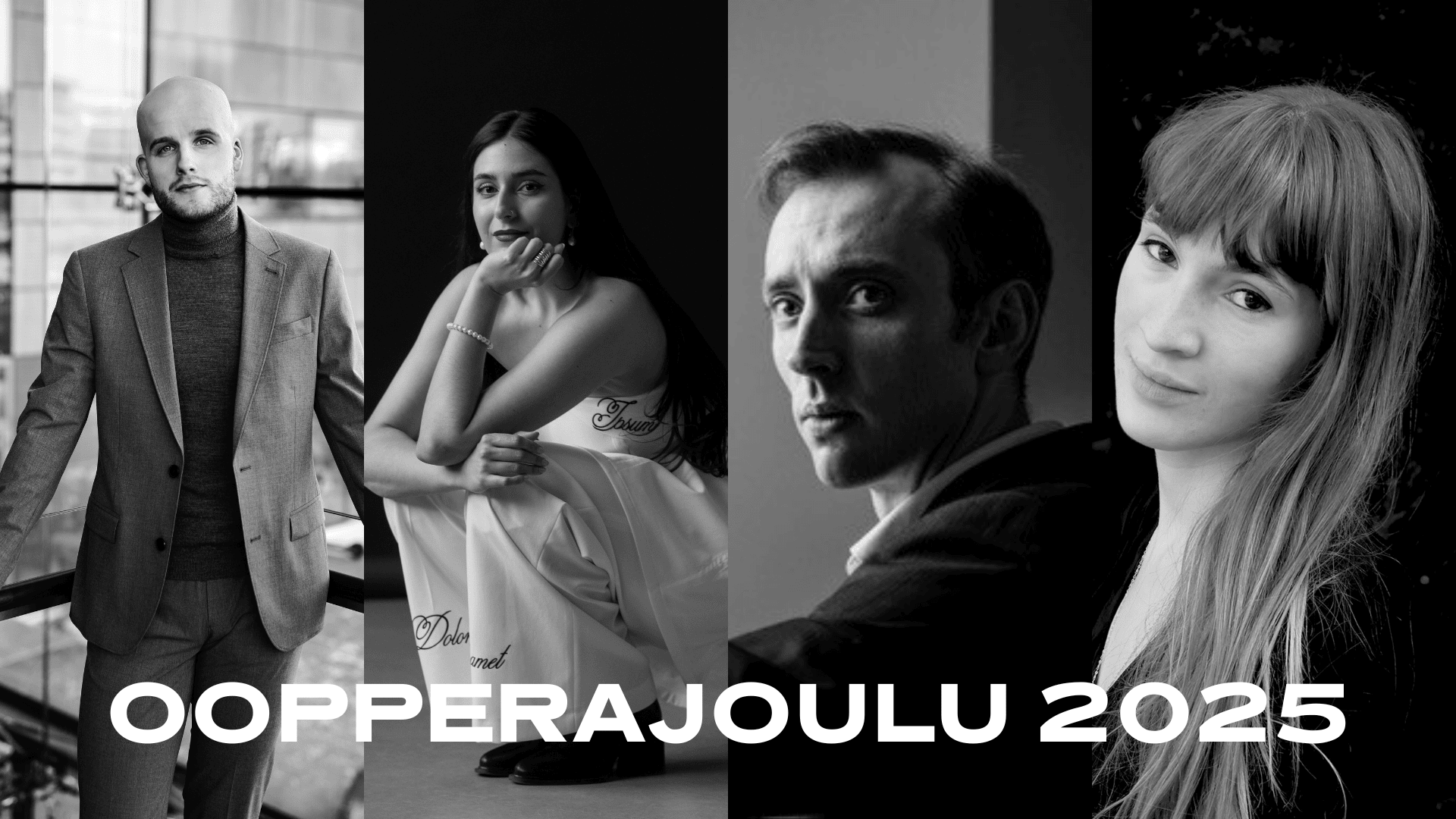
Turku Music Festival’s very own Opera Christmas is here again. In the 2025 Christmas concert, four outstanding young artists, all winners of major international and Finnish singing competitions, will take the stage of the Concert Hall: soprano Iris Candelaria, mezzo-soprano Elsa Angervo, tenor Tuomas Miettola, and baritone Luke Terence Scott. The concert will be completed by the piano duo Marjaana Merikanto and Juho Keränen.
The first half of the evening transports the listener into the world of great operatic compositions: passion, drama, and stories carried by music, where every voice shines both as a soloist and as part of a whole. In the second half of the evening, the mood turns to the warmth and lights of Christmas: the concert offers a musical journey across the world, featuring Christmas melodies where multicultural traditions meet the message of peace and connection across borders.
This evening is more than a concert. It is a celebration, a moment where music, talent, and the magic of Christmas come together.
Note: Stella Tähtinen will be performing in place of Iris Candelaria.
Introduction of works
OPERA
Wolfgang Amadeus Mozart was a child prodigy and a multi-talented artist, but perhaps his greatest impact on music history came through his operas. Based on Emanuel Schikaneder’s humorous fairy tale libretto, he created the landmark work The Magic Flute, whose references to the teachings of Freemasonry are already evident in the overture. Influenced by the sacred number 3, the work begins in the key of E-flat major with three flats, and three festive chords are needed before the action begins.
After the exuberant overture, Prince Tamino enters the stage and falls in love with Princess Pamina based solely on her portrait. Dies Bildnis ist bezaubernd schön (“This portrait is enchantingly beautiful”) is a first-rate love sonnet, beautifully set to music by Mozart.
Mozart was elevated to the status of master of comic opera in particular by The Marriage of Figaro, in which Susanna teases Figaro, who is waiting in hiding, in the famous aria Deh vieni, non tardar (“Come, don’t delay”). The jealous Figaro thinks the song is directed at the count who is flirting with Susanna, when in reality both the count and Figaro are being led astray.
Mozart and librettist Lorenzo da Ponte continued their collaboration on a slightly more serious note with the opera Don Giovanni, in which Donna Elvira warns the unsuspecting Donna Anna about the immoral protagonist: “Non ti fidar, o misera” (Don’t trust him, poor woman). – Don Giovanni tries to claim that Elvira is insane.
Georges Bizet made his mark on the Paris music scene after winning the prestigious Prix de Rome in 1857 at the age of only 18. His future achievements included The Pearl Fishers, set on the exotic island of Ceylon, whose most famous scene depicts Nadir and Zurga, the king of the pearl fishers, realizing that they are in love with the same woman. “Au fond du temple saint” (At the bottom of the holy temple) grows from a memory to a realization that the friendship between the men is stronger than their love for the same woman.
Bizet experienced one disappointment after another before his opera Carmen, which also rose to popularity only after the composer’s death at the age of 36 from a heart attack. Today, this fiery love triangle is one of the most frequently performed operas in history, and Carmen’s Habanera “L’amour est un oiseau rebelle” (Love is a rebellious bird) is one of the most frequently performed soprano arias. Among the favorites of baritones is the bullfighter Escamillo’s fiery “Votre toast, je peux vous le rendre” (Your toast, I can return it to you), known for its refrain: “Toreador, en garde!”
In the 1860s, Bizet’s older colleague Charles Gounod dominated the Paris opera scene, successfully adapting Shakespeare’s Romeo and Juliet. Particularly well known is the charming waltz “Je veux vivre” (I want to live), in which Juliet refers to her upcoming arranged marriage to Paris.
In the 1820s, Gioachino Rossini ruled the opera world, first in Italy and then in Paris. He was known for his comic operas, such as The Barber of Seville, in which the resourceful Rosina plans to win over her beloved Lindoro with the help of the barber Figaro in the virtuoso soprano aria “Una voce poco fa” (A moment ago, a voice rang out).
Rossini’s contemporary Gaetano Donizetti was inspired by Scotland and Sir Walter Scott’s (no relation to tonight’s soloist) story The Bride of Lammermoor with its famous mad scenes. In the first act of the opera Lucia di Lammermoor, Lucia’s brother Enrico curses her relationship with Edgardo and wishes for a deadly lightning strike to save his sister from shame.
A couple of decades later, Giuseppe Verdi rose to stardom in Italian opera, and the scene “Bella figlia dell’amore” (Beautiful daughter of love) from the final act of his opera Rigoletto represents the pinnacle of ensemble singing. As the deceitful Duke woos Maddalena, his beloved Gilda watches from her hiding place in horror, while Gilda’s father Rigoletto swears revenge on the traitor. This scene, in which four personalities are masterfully brought together, served as the basis for the successful play and the 2012 film Quartet.
The intoxicating power of communal singing is also evident in the drinking song “Libiamo ne’ lieti calici” (Let us drink from joyful cups) from Verdi’s opera La traviata, in which the entire party joins in the joy of Violetta and Alfredo, who later become lovers.
CHRISTMAS
Johann Sebastian Bach’s aria “Schafen können sicher weiden” (Sheep can graze in peace) does not refer to the Christmas Gospel, but to the peace brought by a good ruler, as befits the “Hunting Cantata” celebrating the birthday of Duke Christian of Saxe-Weissenfels. The four-hand piano arrangement is popular as wedding music, among other things.
In Samuel Barber’s short aria “Must the Winter Come so Soon,” Erika suffers from being confined to her aunt Vanessa’s cottage. The aria has become hugely popular, as did the entire opera Vanessa, but the romantic relationship between the composer and librettist Gian Carlo Menotti, which was considered inappropriate at the time, probably caused the audience to reject the work.
Claude Debussy’s song about homeless children at Christmas (Noël des enfants qui n’ont plus de maison) does not radiate the usual Christmas peace. In the midst of a brutal world war, the composer asks in his own text for Christmas to avenge the children of France and punish the German invaders.
Benjamin Britten incorporated the medieval Corpus Christi poem into his choral work A Boy Was Born, which he composed at the age of 19, and later arranged the unpretentious, peaceful composition for voice and piano.
Christmas has inspired people around the world to sing. These songs include the Italian boat song “Sankta Lucia” (Saint Lucia) and the Scottish lullaby Tàladh Chrìosda (Christ’s Lullaby).
Karl Collan’s all-time favorite among the people is Sylvian joululaulu. Zacharias Topelius’s poem is not just about the Christmas spirit, but also a powerful statement in favor of animal rights. Sylvia, a little blackcap, cries out while imprisoned in Sicily, as her song is used to lure her fellow birds to be eaten at the Italian Christmas table. Fortunately, thanks to EU legislation, this cruel tradition is finally becoming a thing of the past.
Hugh Martin and Ralph Blane wrote the Christmas song for the 1943 musical film Meet Me in St. Louis, starring Judy Garland. Have Yourself a Merry Little Christmas later became famous, especially in the version recorded by Frank Sinatra.
The song White Christmas, composed by Irving Berlin, was recorded by Bing Crosby in 1942. Since then, it has sold over 50 million copies, making it the best-selling single in history.
Adolphe Adam’s well-known Christmas song has been recorded by many artists, one of the most beloved being Jussi Björling’s Swedish-language interpretation. Placide Cappeau’s original poem “Minuit, chrétiens” (Midnight, Christians) was written before Christmas 1847 and was set to music by the celebrated opera composer Adam just a few days later. Filled with a heartfelt Christian message, the poem calls on the whole world to kneel before the Redeemer.
Lauri Mäntysaari
Artists


INFO
- Address: Aninkaistenkatu 9, 20100 Turku
- Public Transport: All stops at the city centre are nearby. The bus terminal is nearby and Turku main railway station approx. 1 km away.
- Accessibility: Accessible parking (2 spots) on Sibeliuksenkatu. Temporary stopping for dropping off passengers is allowed in front of the main entrance on Aninkaistenkatu. The main entrance is accessible.
- Parking: Parking areas at the city centre. Puutori car park is recommended.