Program
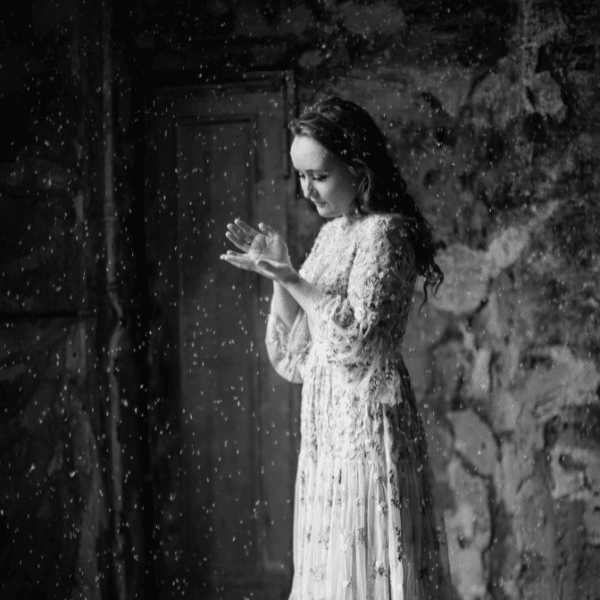
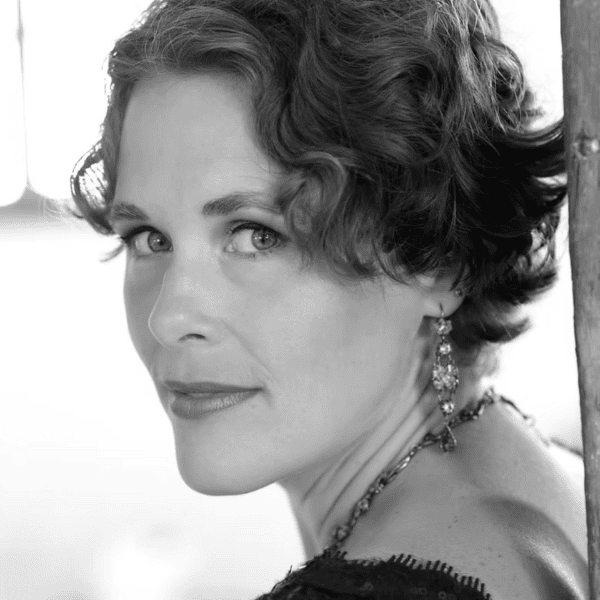
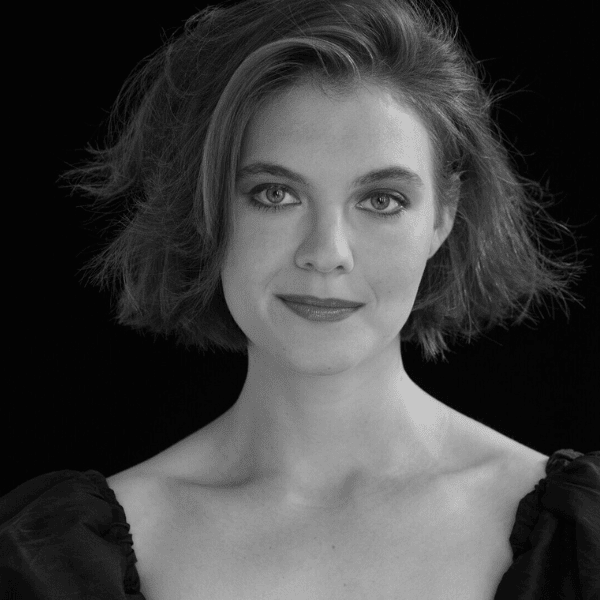
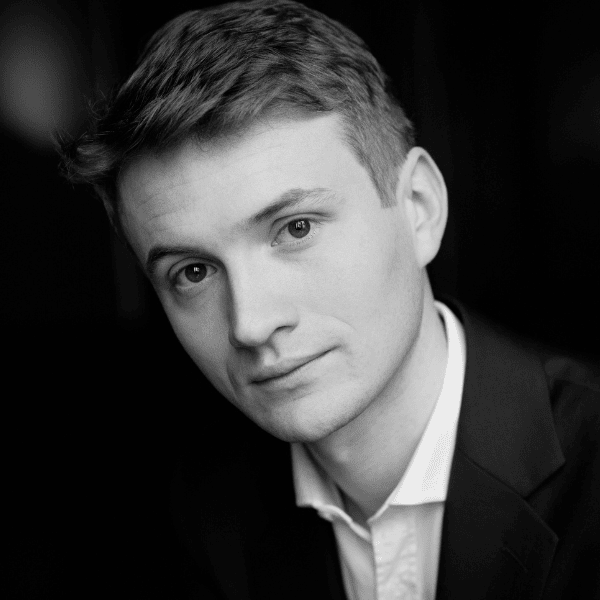
Julia Lezhneva, soprano (Vagaus)
Marianne Beate Kielland, mezzosoprano (Juditha)
Sonja Runje, alto (Holofernes)
Erika Baikoff, soprano (Abra)
Arnaud Gluck, countertenor (Ozias)
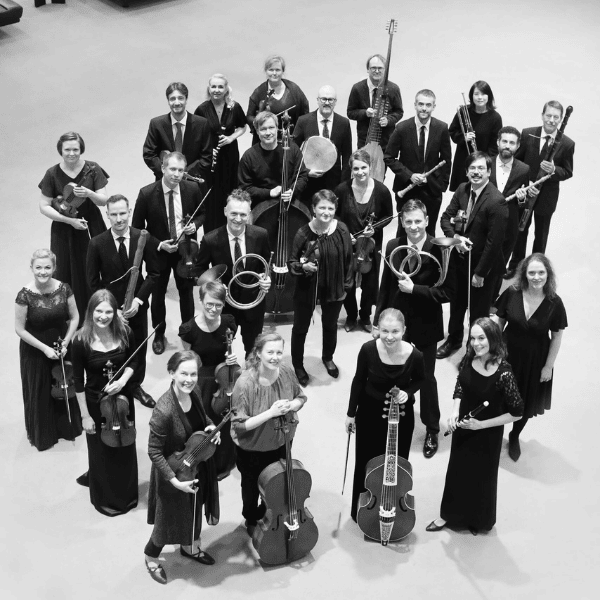
Helsinki Baroque Orchestra
Spira Ensemble
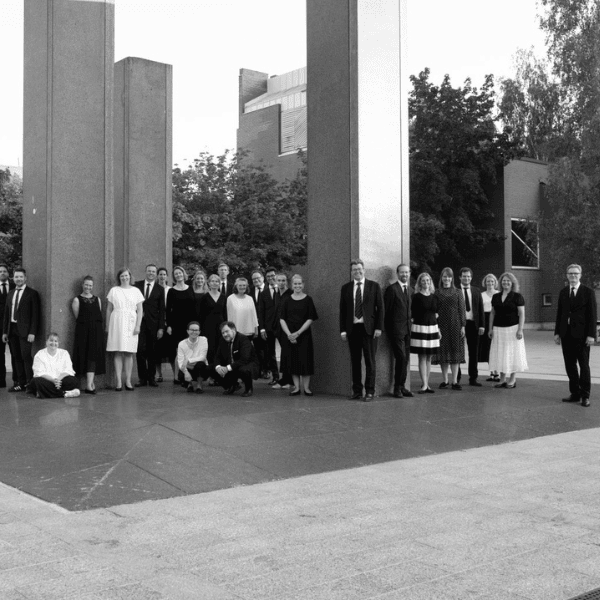
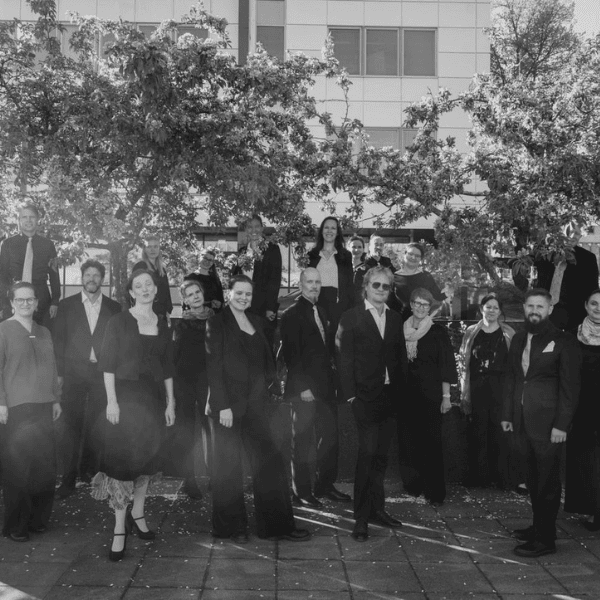
Turku Conservatory Chamber Choir
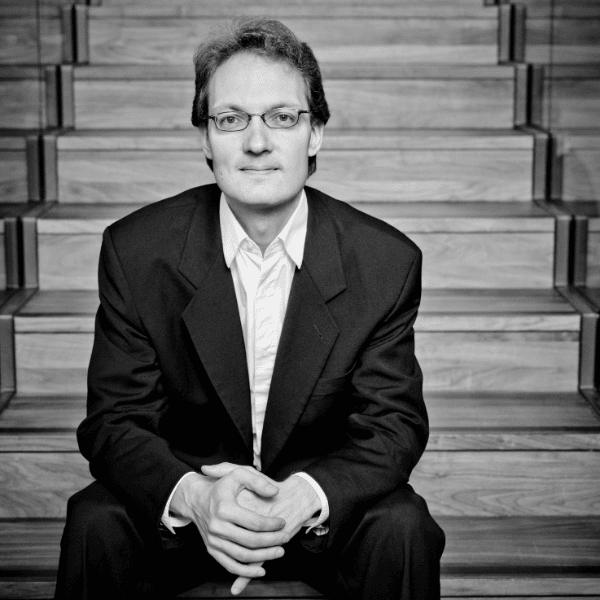
Aapo Häkkinen, director
Esko Kallio, choir coaching
ANTONIO VIVALDI (1678–1741):
Juditha triumphans devicta Holofernis barbarie, RV 644 (1716)
Tickets 44–59 €
Duration 2 h 30 min, 1 intermission
Antonio Vivaldi’s Juditha triumphans is a radiant masterpiece of Baroque vocal music: a rare gem that combines drama, virtuosity, and poetic beauty into an irresistible whole. Under the baton of Aapo Häkkinen, the Helsinki Baroque Orchestra brings this Venetian oratorio to life in a concert that celebrates the splendor of the Baroque and Vivaldi’s inexhaustible imagination.
Juditha triumphans is Vivaldi’s only surviving oratorio and represents the pinnacle of the composer’s vocal output. The arias are full of sparkling coloratura passages and astonishingly beautiful melodies that allow the singers’ skill and expressiveness to shine. Vivaldi’s instrumentation is exceptionally rich and inventive: the orchestra includes mandolins, viola d’amore, and a gamba ensemble, which create a unique, colorful sound world for the work.
The music of the oratorio glows with both heroic power and sensitivity. Dramatic twists, meditative moments, and brilliant climaxes alternate in a tense atmosphere, keeping the listener captivated from beginning to end. The soloists, Julia Lezhneva, Marianne Beate Kielland, Sonja Runje, Erika Baikoff, and Arnaud Gluck, bring the story to life and add human depth, while the lively sound of the Helsinki Baroque Orchestra supports the whole with bright energy.
This concert offers a rare opportunity to experience Vivaldi at his best: Baroque drama, virtuosity, and the composer’s boundless imagination come together in one sparkling evening. Juditha triumphans is a living, breathing musical experience that charms, moves and lingers in the memory for a long time to come.
Ticket sales for concerts at Fuuga are handled through Kulttuuriranta’s ticket sales.
Introduction of works
Victorious Venice and the special forces of the Pietà
Juditha triumphans devicta Holofernis barbarie (Victorious Judith defeats the barbarian Holofernes) is one of Antonio Vivaldi’s most popular and artistically acclaimed large-scale sacred works, alongside the Magnificat and Gloria. Vivaldi composed the oratorio for the musicians and music students of the Ospedale della Pietà. The Pietà was one of Venice’s four ospedali, or “care homes”: an institution for abandoned and foundling children, including those whose births were kept secret, and a music school for girls. Vivaldi worked there as a teacher of violin and viola (the viola all’inglese) from 1703 to 1709 and again from 1711 to 1716, as well as serving intermittently as principal composer (maestro de concerti) from 1713 to 1740.
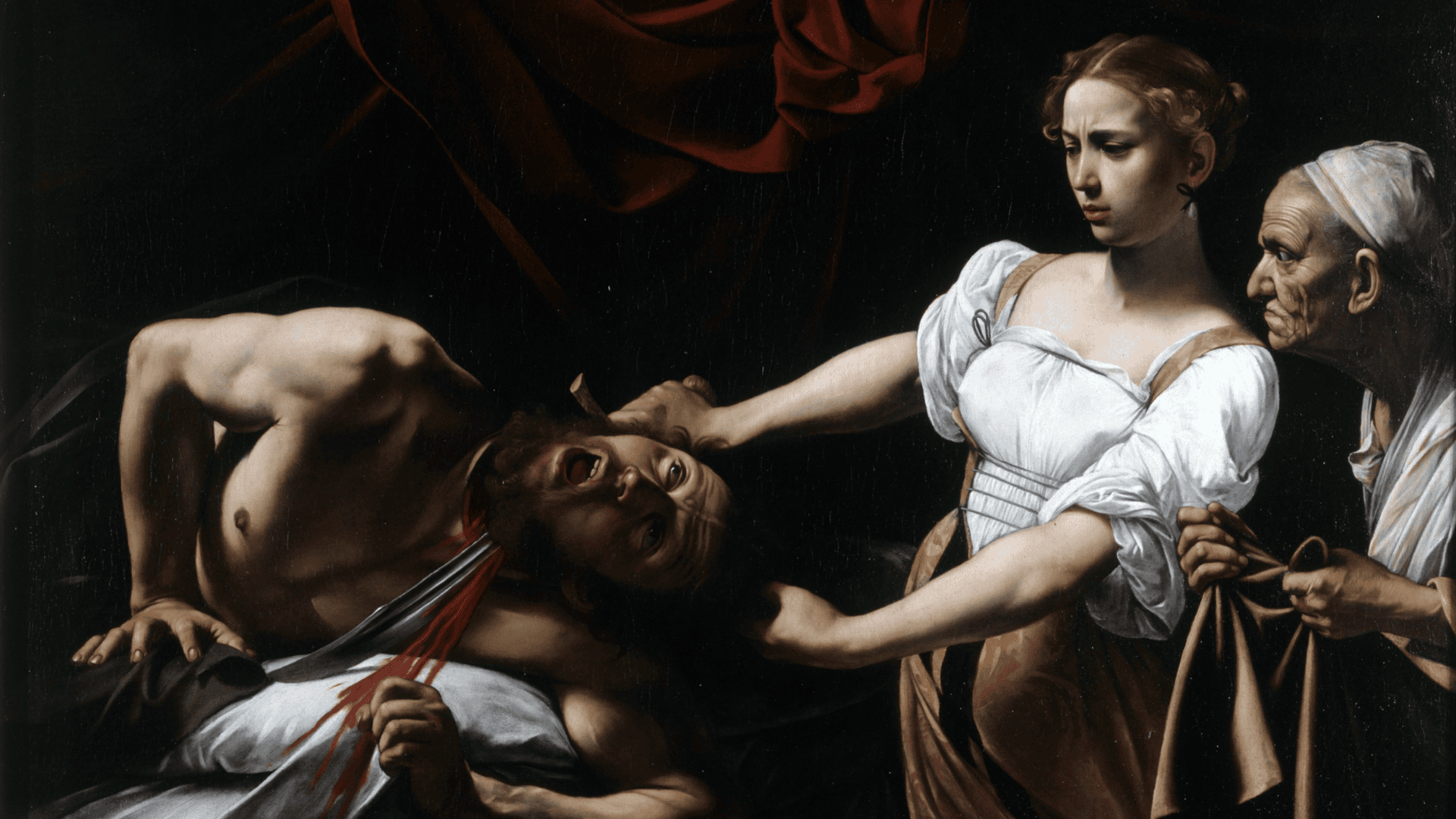
The Pietà’s accomplished figlie di coro consisted exclusively of women and girls. They gave the oratorio its premiere in late 1716 or early 1717, at a time of intense political activity in Venice. The war against the Ottomans was underway. The Venetian fleet was fighting alongside the Habsburgs, and the Christian alliance had just secured temporary victories in the Peloponnese and the Aegean Sea, including the Battle of Corfu. The music, too, reflected a surge of patriotic fervour. The Old Testament story of Judith, the Jewish heroine who defeats the pagan Assyrians by beheading their military commander, was ideally suited to the occasion.
Giacomo Cassetti’s Latin libretto, which departs in some respects from the biblical account in the Book of Judith, one of the Apocryphal books, is an allegory of Venice’s political situation at the time. Cassetti himself explains the allegorical roles in the preface to the libretto: “Judith is the Adriatic, and her companion Abra is Faith. Bethulia is the Church, the Christian alliance; Ozias is its supreme pontiff and leader of the virgins. Holofernes is the Sultan of the Turks, the eunuch Vagaus his general, and the entire Venetian fleet rejoices in a magnificent victory.” The story does not make it entirely clear whether Judith is an astute military strategist, her homeland’s “secret weapon”, who wins the enemy’s trust through calculated diplomacy before carrying out a carefully planned special mission. Or is she a deranged fanatic who, on a whim, murders a defenceless man? The underlying message of the story is clear: the ends justify the means.
The story of Judith and Holofernes has been interpreted as a variation in the battle between David and Goliath, in which the apparently weaker opponent defeats a physically formidable adversary through cunning and the power of faith. Over the centuries, Judith has inspired numerous visual artists and composers. A woman who fights with both feminine and masculine weapons stirred excitement and passion, perhaps evoking a fascination similar to that inspired by the Pietà’s all-female orchestra among concert audiences accustomed to male performers. Although Judith’s mission has an unmistakable sexual undertone – after all, she uses her charm and her gender to her advantage – the story of the courageous Judith was regarded as a suitable moral example for women to identify with. This may also explain why it was considered an appropriate subject for an oratorio intended for the Pietà, a somewhat secluded, convent-like institution for girls and women.
Oratorios were a central part of the repertoire at Venice’s ospedali in the early eighteenth century. The sacred music Vivaldi composed for the Pietà is “concertante” in style, showcasing the performers’ virtuosity. Stylistically, Juditha triumphans is emotionally charged and operatic, although its musical language is less closely tied to the text than that of seventeenth-century Venetian church music in the time of Claudio Monteverdi and Francesco Cavalli. The work makes rich use of instrumental music, which was innovative at the time. Its extensive range of instruments was seen as enhancing the spiritual depth of the work, in contrast to the late sixteenth century, when the Church favoured purely vocal music. The dramatic power of Juditha triumphans is unmistakable. Although the Pietà’s musicians performed hidden from the audience, the work’s expressive nuances, ranging from fervent prayer to fierce emotional outbursts, moved contemporary listeners and continue to impress audiences with their vitality today.
Juditha triumphans is scored for five female soloists, choir and orchestra. It makes versatile use of the Pietà’s extensive collection of instruments. The work includes, for example, arias featuring the viola d’amore (Quando magis generosa), mandolin (Transit aetas), four theorbos (O servi volate) and a viol ensemble (In somno profundo). In one of the seven arias sung by the title character (Veni, me sequere fide), the obbligato instrument is the soprano chalumeau, a precursor of the clarinet. The choral movements, which Vivaldi marked SATB to indicate mixed choir, were also performed at the premiere by an all-female choir, with the tenor parts sung at their written pitch. The bass part was either omitted or sung an octave higher. According to some sources, women occasionally sang bass at the Pietà, so it may also have been possible to perform the bass part at its written pitch.
Meri Metsomäki
Synopsis
Nebuchadnezzar, King of Assyria, has sent his army, led by General Holofernes, to besiege the Jewish city of Bethulia. The people of Bethulia are suffering from severe hunger. The high priest Ozias (Uzziah) urges them to pray and remain patient. Judith, a devout young widow, decides to risk her own safety to save her people. Accompanied by her faithful maidservant Abra, she leaves the city and enters the enemy camp, pretending to be a deserter seeking mercy.
Part I
The soldiers sing of battle. Holofernes, commander of the Assyrian army, sings of valour. Judith arrives, and Holofernes’ servant Vagaus presents her to his master. Judith asks Holofernes to put an end to the war. Holofernes is captivated by Judith and agrees to negotiate. He invites her to dinner in his tent. Judith declines, saying that she would rather fast. Judith’s maidservant Abra encourages her and strengthens her resolve. The young women of Bethulia pray for Judith.
Part II
Ozias prays and foretells a favourable outcome. In the commander’s tent, Holofernes attempts to seduce Judith. To buy time, Abra and Judith perform a song. Holofernes becomes intoxicated and confesses his love for Judith. He falls asleep, and Vagaus sings him a lullaby. Vagaus and Abra leave Judith alone with Holofernes. Judith finds Holofernes’ sword and cuts off his head. Abra sings a song of praise as she and Judith flee the camp, taking Holofernes’ head with them. In the morning, Vagaus discovers the body and vows revenge. The Assyrian army is thrown into chaos, and the Jewish forces succeed in their attack. Ozias and all the people of Bethulia rejoice in their victory.
Event's artists

INFO
- Address: Itäinen Rantakatu 14, 20800 Turku
- Public transport: Close to all stops in the city centre. The closest bus stops are Linnankatu and Kaskenkatu.
- Accessibility: Coming soon.
- Parking: Limited parking spots behind the Virastotalo.